On Sinigang, but no, it’s pangat
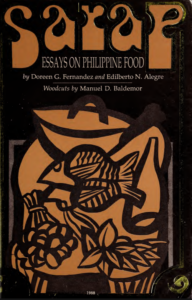
“The most delicious sinigang I have tasted was prepared by Tomas Agulto, the resident Palanca poetry awardee of barrio Sagrada Familia, Hagonoy, Bulacan. He took us to Manila Bay, where his barriomates gave us newly caught fish. On our way back to Sagrada we stopped by a spit of land where on an improvised stove the sinigang was cooked; salt and tomatoes were the only ingredients. It takes about the same time for fish and tomato to be cooked. The tomatoes were dropped in whole, and were crushed only when we were about to have the sinigang, which was thus newly soured when we ate it with the newly cooked rice. Of course, we all had a good, cooling, refreshing sweat.” (Sarap: Essays on Philippine Food, 62)
While the book refers to it as sinigang, the preparation aligns more closely with pangat. It remains one of the most delicious ways to prepare fresh fish particularly sapsap and ayungin soured with kamatis, sampalok, or both, dashed with sea salt or asin with a light sheen of mantika over the scanty broth.
Book excerpts from: Fernandez, D. G., & Alegre, E. N. (1988). Sarap: Essays on Philippine food. Mr. & Ms. Publishing Company.