On Talipapa
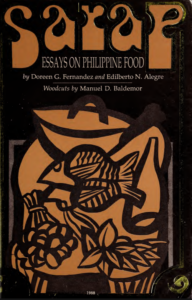
“The talipapa in the provinces emerge when there is a daily delivery of fresh food, and enough buyers to make selling profitable away from the fixed market. There is one in Paombong, Bulacan and another close to barrio Sagrada Familia, Hagonoy, Bulacan. They are open only in the late afternoons, and the fresh food consists of the catch from the river and from Manila Bay. In contrast, a palengke is open the whole day, meaning that there is a permanent structure where goods are displayed in stalls or stores. Here, there are definitely more people, more cash to spend, and so more goods on sale.” (Sarap: Essays on Philippine Food, 134)
I grew up in a looban in a part of Barangay Santo Rosario called Tangos. This looban exits directly to a talipapa that caters to the several barangays of San Nicolas, Sagrada, Sta Cruz, San Roque, and as far as Mercado and San Pascual. It is mostly open in the early morning, right before lunch time, and right before dinner, aligned with meal preparations. The talipapa is where fisherfolks would bring their fresh huli (catch) and sell them in bilao, palanggana or timba. It was a small-scale market sustained by locals while vegetables and other produce are sourced from the main palengke in Hagonoy or Malolos Bayan.
Book excerpts from: Fernandez, D. G., & Alegre, E. N. (1988). Sarap: Essays on Philippine food. Mr. & Ms. Publishing Company.
Leave a Reply